
Can a balance of microorganisms in the body prevent a serious health issue in kids? Recent studies hint that certain parts of our body might be key to staying healthy.
The connection between microorganisms and health is getting a lot of attention. This is especially true for Type1 Diabetes. Researchers are looking into how things like black cumin oil might affect this link.
This research could lead to new ways to manage health. Scientists are also checking if natural remedies with anti-inflammatory properties could help.
Key Takeaways
- Research is ongoing into the link between microorganisms and Type1 Diabetes.
- Certain natural remedies are being studied for their potential health benefits.
- The balance of microorganisms in the body may be crucial for health.
- New approaches to health management may emerge from this research.
- The potential anti-inflammatory properties of black cumin oil are of particular interest.
Understanding Type1 Diabetes in Children
Type 1 diabetes is an autoimmune disease that destroys insulin-producing cells in the pancreas. This condition requires a comprehensive understanding to manage effectively.
What is Type 1 Diabetes?
Type 1 diabetes is a chronic condition where the pancreas produces little to no insulin. Insulin is key for glucose to enter cells and provide energy. Without it, glucose builds up in the bloodstream, causing high blood sugar levels.
The exact cause of Type 1 diabetes is unknown. It is believed to involve a combination of genetic predisposition and environmental factors that trigger the autoimmune response.
Symptoms and Diagnosis
Symptoms of Type 1 diabetes in children can develop rapidly, often over a few weeks. They may include:
- Increased thirst and urination
- Fatigue
- Blurred vision
- Weight loss
Diagnosis involves blood tests to check blood glucose levels and the presence of antibodies associated with Type 1 diabetes.
The Role of Genetics and Environment
Genetics play a significant role in the susceptibility to Type 1 diabetes. Children with a family history of the disease are at higher risk. Environmental factors, such as viral infections, may also trigger the onset of Type 1 diabetes in genetically predisposed individuals.
Understanding the interplay between genetics and environment is crucial for developing preventive strategies and treatments.
While the exact mechanisms behind Type 1 diabetes are still under research, managing the condition effectively is key to preventing long-term complications. Similar to how certain natural remedies, such as arthritis relief with black cumin oil, are explored for their anti-inflammatory properties, research into Type 1 diabetes focuses on understanding its causes and finding effective treatments.
The Human Gut Microbiome
The balance of the gut microbiome is key to our body’s health. It has trillions of microorganisms that are vital for our wellbeing.
What is the Gut Microbiome?
The gut microbiome is a community of microbes in our gut. It includes bacteria, viruses, and fungi. These microbes help with digestion and our immune system. A balanced gut microbiome keeps us healthy and prevents diseases.
Research shows that an unbalanced gut microbiome can cause health problems. This includes autoimmune diseases and metabolic disorders. Natural remedies like black seed oil may help reduce inflammation and improve health, which is good for arthritis pain relief.
Importance of a Balanced Microbiome
A balanced gut microbiome is important for many reasons. It helps digest food, makes vitamins, and boosts our immune system. It also produces anti-inflammatory cytokines that reduce body inflammation. This is especially helpful for people with joint pain, as it may ease some arthritis symptoms.
Studies suggest that black cumin oil’s anti-inflammatory properties could help with joint pain. This is because it works well with a balanced gut microbiome. Keeping our gut bacteria healthy through diet and lifestyle is essential for our wellbeing.
Factors Influencing Gut Health
Many things can affect our gut microbiome’s balance. Diet is a big factor, with fiber and polyphenols in foods helping good bacteria grow. But processed foods and antibiotics can harm this balance. Lifestyle factors like stress and exercise also play a role.
Knowing how these factors work is important for a healthy gut. By choosing the right diet and lifestyle, we can support our gut health. This may help prevent diseases. While the exact link to arthritis is still being studied, a balanced gut microbiome is key to overall health.
Introduction to Gut Phages
The human gut is home to many bacteriophages, or phages. These viruses are key to keeping our gut healthy. They infect bacteria, shaping the gut’s microbiome.
Definition of Gut Phages
Gut phages target bacteria, either killing them or changing how they act. This balance is crucial for our health. Studies show phages could be used to help us, like black cumin oil for pain relief.
Types of Phages Found in the Gut
The gut has different phages, like lytic and lysogenic ones. Lytic phages kill bacteria directly. Lysogenic phages change bacteria’s function by integrating into their genome. Knowing about these helps us see how phages affect our gut health and might help with inflammation pain relief with black cumin oil.
Phage Diversity and Its Importance
Phage diversity is key for a healthy gut. A diverse group of phages keeps bacteria in check. This balance is linked to better health and might help prevent diseases like Type 1 Diabetes.
| Phage Type | Function | Impact on Gut Health |
|---|---|---|
| Lytic Phages | Directly kill bacteria | Regulate bacterial populations |
| Lysogenic Phages | Integrate into bacterial genome | Alter bacterial function and virulence |
In conclusion, gut phages are essential for our gut health. Their diversity and function are being studied. This research could help us understand gut health and its link to diseases.
Mechanisms of Gut Phages
Gut phages are viruses that affect bacteria in our gut. They play a big role in our gut health. Understanding how they work is key to knowing their impact on our health.
How Phages Interact with Bacteria
Gut phages interact with bacteria in different ways. They can either kill them or live inside them. This changes the balance of bacteria in our gut.
Phages are very specific about which bacteria they target. This helps them fight off bad bacteria without harming the good ones. This is why they might help with diseases like Type 1 Diabetes.
Phages and the Immune System
The relationship between gut phages and our immune system is complex. Phages can either boost or weaken our immune response. It depends on the phage and the situation.
Too many or too few phages in our gut can upset our immune system. This can lead to autoimmune diseases. So, it’s important to understand how phages affect our immune system.
Influence on Metabolism and Nutrition
Gut phages also affect how we process food and nutrients. They change the balance of our gut microbiome. This can impact how we digest food and use nutrients.
For example, some phages help make short-chain fatty acids. These are good for our gut and overall health. Even conditions like arthritis might be influenced by our gut health and diet.
Link Between Gut Health and Immune Response
The gut is key to our immune function, affecting our health and disease risk. It’s home to trillions of microorganisms that shape our immune system.
The Gut-Immune Connection
The gut and immune system are closely tied through the gut-associated lymphoid tissue (GALT). This tissue is vital for our immune function. The gut microbiome helps develop and regulate our immune system, with some bacteria supporting a healthy response.
Key aspects of the gut-immune connection include:
- Modulation of immune cell function
- Production of cytokines and other immune factors
- Maintenance of the epithelial barrier
Role of the Gut in Autoimmune Diseases
Dysbiosis, or an imbalance in the gut microbiome, is linked to autoimmune diseases like type 1 diabetes. Research shows that changes in the gut microbiome can trigger or worsen autoimmune responses.
The potential mechanisms by which the gut influences autoimmune diseases include:
- Altered immune cell function
- Increased permeability of the gut barrier
- Modulation of the inflammatory response
Importance of Early Life Gut Development
Early life exposure to diverse microorganisms is vital for a healthy gut and immune system. Factors like breastfeeding, birth mode, and early nutrition are crucial in shaping the gut microbiome.
| Factor | Influence on Gut Microbiome |
|---|---|
| Breastfeeding | Promotes beneficial bacteria |
| Birth Mode (Vaginal vs. C-section) | Vaginal birth exposes infants to maternal flora |
| Early Life Nutrition | Diet influences microbiome diversity |
The connection between gut health and immune response is complex. Understanding this is key to preventing and treating autoimmune diseases like type 1 diabetes. Natural products, such as black cumin oil, may help reduce inflammation and pain, benefiting gut health and autoimmune conditions.
Gut Phages and Type1 Diabetes Prevention
Understanding how gut phages work with our immune system might help stop Type1 Diabetes. New studies have uncovered how gut bacteria and immune diseases are linked.
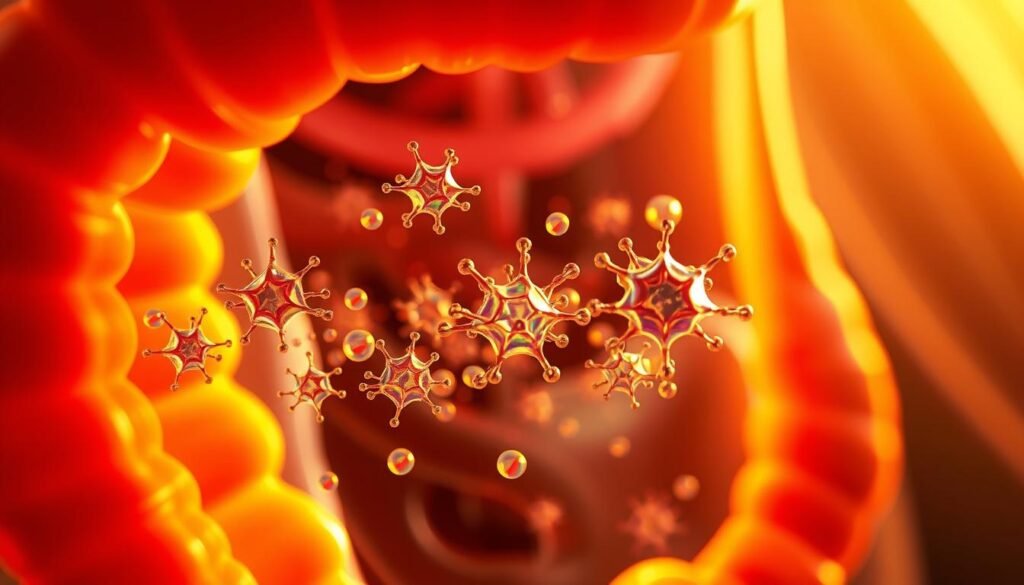
Research Findings on Phages and Autoimmunity
Research shows gut phages are key in controlling our immune system. They work with gut bacteria, keeping the microbiome in balance. This balance is vital for our immune health. Changes in gut phages might lead to autoimmune diseases like Type1 Diabetes.
Gut phages are getting more attention for their role in the immune system. They can affect our immune response in many ways. For example, some phages might lower inflammation or control immune cell activity.
Phages as Modulators of Immune Response
Gut phages interact with our immune system, affecting both the innate and adaptive parts. They can change how our body makes cytokines and how immune cells work. This is important for keeping our immune system in check and preventing diseases.
The idea of using natural items for health is not new. For instance, black cumin oil has been studied for its anti-inflammatory effects. These effects could help with autoimmune diseases, like arthritis.
Potential Preventative Mechanisms
Gut phages might prevent Type1 Diabetes by changing the gut microbiota and influencing our immune system. Keeping the gut microbiome balanced is key to avoiding autoimmunity.
- Gut phages can change the gut microbiota.
- They can also affect our immune response, possibly stopping autoimmunity.
- Having a balanced gut microbiome is essential for our immune health.
More research is needed to understand how gut phages can prevent Type1 Diabetes. But, the current findings suggest they could be important in finding new ways to prevent this disease.
Dietary Influences on Gut Phages
The link between diet and gut phages is complex. Certain foods help keep phage populations healthy. Gut phages, or bacteriophages, are viruses that attack bacteria. They play a key role in keeping the gut microbiome balanced.
Foods That Promote Healthy Phage Populations
Eating fruits, vegetables, and whole grains supports a diverse gut microbiome. This diversity helps keep phage populations healthy. Foods rich in fiber are especially good because they feed beneficial bacteria that phages can infect.
A study showed that eating more fiber boosts gut phage diversity. This is linked to better health. Black cumin oil, with its anti-inflammatory effects, may also help maintain a healthy gut. It could aid in inflammation pain relief.
“A healthy diet is not just about consuming nutrients; it’s about fostering a balanced ecosystem within us, including the phages that play a crucial role in our health.”
| Food | Benefit to Gut Phages |
|---|---|
| Fruits and Vegetables | High in fiber, supporting beneficial bacteria |
| Whole Grains | Rich in prebiotics, promoting phage diversity |
| Black Cumin Oil | Anti-inflammatory properties, potentially aiding gut health |
Probiotics and Their Role
Probiotics are live microorganisms that offer health benefits. They can help phages by providing hosts for them to infect. This supports phage diversity.
Research is exploring how probiotics and phages work together. Some studies suggest that certain probiotics can make phage therapy more effective.
The Impact of Processed Foods
Diets rich in processed foods can harm the gut microbiome and phage populations. These foods often lack fiber and are high in unhealthy fats and sugars. This can reduce phage diversity and lead to health problems.
It’s important to eat a balanced diet to support a healthy gut microbiome and phage populations. As research continues, we learn more about how diet affects gut health. Making informed food choices can help support our gut health.
Probiotics and Phages: Allies in Health
Probiotics and phages working together can greatly improve gut health. This section explores the benefits of probiotics and how they team up with phages. It also looks at what clinical studies say about using probiotics.
Understanding Probiotic Benefits
Probiotics are live microorganisms that help our health. They improve digestion, boost the immune system, and even make vitamins. Using probiotics can greatly improve gut health, which is key for feeling good.
Synergy Between Probiotics and Phages
Probiotics and phages have a complex but helpful relationship. Probiotics add good bacteria to our gut. Phages target bad bacteria, helping keep the gut balanced. This teamwork boosts our immune system and helps our metabolism.
| Benefit | Probiotics | Phages | Combined Effect |
|---|---|---|---|
| Immune System Support | Boosts immune response | Regulates bacterial populations | Enhanced immune defense |
| Gut Health | Improves gut flora | Targets harmful bacteria | Balanced gut microbiome |
| Metabolic Health | Improves nutrient absorption | Influences metabolic pathways | Improved metabolic function |
Clinical Studies on Probiotic Use
Many studies have looked into how probiotics affect our health. They’ve found that probiotics can help with irritable bowel syndrome, inflammatory bowel disease, and even mental health issues. The research shows probiotics can be a great addition to our health routine.
Even though we know a lot about probiotics, scientists are still learning about their partnership with phages. As we learn more, we’ll find new ways to use them to help our health.
Emerging Research on Phages and Type1 Diabetes
Research shows that phages in the gut might prevent Type 1 Diabetes in kids. Studies are looking at how phages, bacteria, and the immune system work together. This is helping us understand how to prevent this disease.
Recent Studies and Findings
Recent studies have looked at how phages affect the gut microbiome and Type 1 Diabetes. They found that some phages can balance gut bacteria, which might lower autoimmunity risk. Also, some research uses black seed oil for its anti-inflammatory effects. This could help with arthritis, a common disease with diabetes.
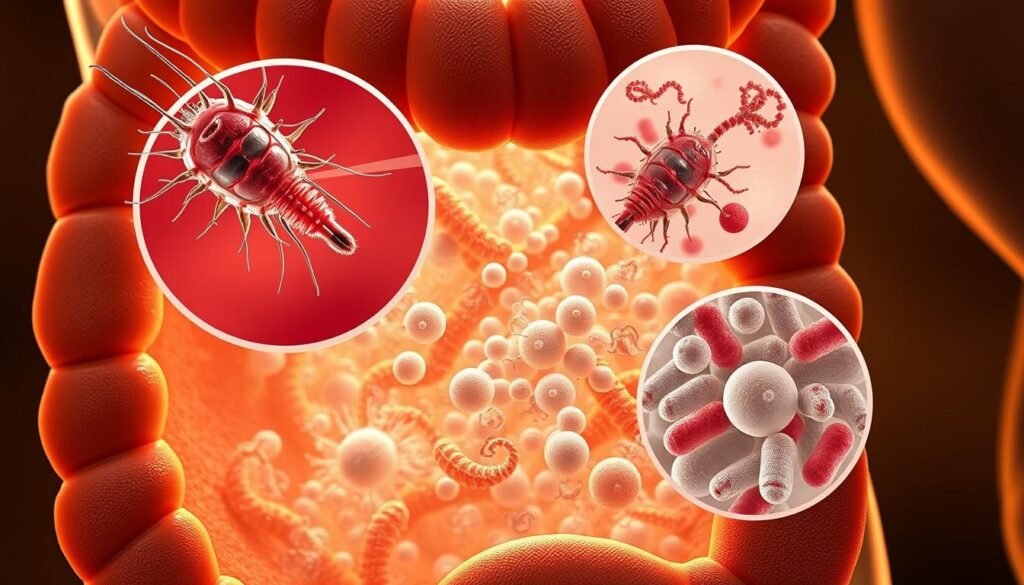
The Future of Phage Therapy
Phage therapy’s future is bright, with more research on its uses. It uses phages to target bacteria, which could help prevent Type 1 Diabetes. This method could keep the gut microbiome healthy.
| Potential Benefits | Current Challenges | Future Directions |
|---|---|---|
| Modulation of gut microbiome | Specificity and efficacy of phage targeting | Personalized phage therapy |
| Prevention of autoimmune diseases | Regulatory frameworks for phage therapy | Combination therapy with probiotics and natural compounds like black seed oil |
| Potential for treating comorbidities like arthritis | Public awareness and acceptance | Large-scale clinical trials to establish safety and efficacy |
Potential for Clinical Applications
Phage therapy could greatly help in preventing Type 1 Diabetes. By studying how phages work with the gut and immune system, we can make targeted treatments. These treatments could be used alone or with other methods, like probiotics or black seed oil, to improve their results.
As we learn more about phages and health, using them to prevent Type 1 Diabetes becomes more likely. Combining phage therapy with other treatments could change how we manage and prevent this complex disease.
Lifestyle Factors Affecting Gut Phages
Gut health is closely tied to our lifestyle. This includes how much we exercise, how stressed we are, and how well we sleep. A healthy lifestyle can greatly impact the health of our gut phages, which is key to our overall well-being.
Role of Physical Activity
Being active helps keep our gut healthy by supporting a wide range of microbes. Exercise boosts the good bacteria and phages in our gut. Physical activity also improves how our gut moves and reduces inflammation, helping our beneficial microbes thrive.
A study found that people who exercise regularly have a more diverse gut microbiome than those who don’t. This diversity is important for a healthy balance of gut phages.
Stress and Its Impact on Gut Health
Too much stress can harm our gut health by changing the balance of our gut microbes and phages. Stress can cause inflammation and make our gut more permeable, leading to health problems. Practices like meditation and yoga can help keep our gut healthy by managing stress.
Research shows that managing stress can improve our gut microbiome. For example, black cumin oil, with its anti-inflammatory properties, may help with stress-related gut issues.
| Lifestyle Factor | Impact on Gut Phages | Potential Benefits |
|---|---|---|
| Physical Activity | Increases diversity and abundance of beneficial phages | Enhanced gut health, reduced inflammation |
| Stress Management | Reduces negative impact on gut microbiota and phages | Improved gut balance, reduced inflammation |
| Sleep Quality | Influences the balance and function of gut phages | Better overall gut health, immune function |
Sleep and Gut Microbiome Interactions
Good sleep is vital for a healthy gut microbiome. Poor sleep can upset the balance of our gut microbes, affecting our health. Studies show that sleep quality impacts the health and function of our gut phages.
Using black cumin oil for pain relief can also help us sleep better. This indirectly supports our gut health. Getting enough sleep and managing pain are key to a balanced gut ecosystem.
Addressing Concerns and Misconceptions
Research on gut phages has raised some concerns and misconceptions. It’s important to clear up these issues to understand their potential. This will help us see how they might prevent Type 1 Diabetes.
Myths Surrounding Phages
Many think phages are harmful to humans. But, phages are viruses that target bacteria. This makes them useful for changing the gut microbiome.
Some believe phage therapy is untested. But, research on phages has been going on for decades. It shows they are safe and work well.
Phages have been seen as potential treatments for a long time. Now, new research is making people excited about their use again. For example, black cumin oil is studied for its anti-inflammatory effects in arthritis. Phages are also being looked at for their immune system benefits.
Safety and Efficacy of Phage Research
Studies show phage therapy can be safe and effective. Phages target bad bacteria without harming the rest of the microbiome. This is a big plus.
Research also shows phages could prevent diseases. This is similar to how black cumin oil is studied for inflammation pain relief.
| Aspect | Phage Therapy | Traditional Antibiotics |
|---|---|---|
| Target Specificity | Highly specific to bacteria | Broad-spectrum |
| Impact on Microbiome | Minimal disruption | Significant disruption |
| Resistance Development | Less likely | More likely |
Future Directions for Research
Future research will explore phage therapy’s potential in diseases like Type 1 Diabetes. We need to understand how phages work with the gut microbiome. We also want to see how they can work with other treatments.
As we move forward, we must tackle the misconceptions about phage therapy. We need to share clear, evidence-based information with everyone.
Conclusion: The Promise of Gut Phages
Exploring gut phages and their role in preventing Type1 Diabetes in children has opened new research paths. The balance of the gut microbiome, influenced by diet and lifestyle, is key to immune system health. This balance is vital for immune system development and function.
Key Findings and Future Directions
Research shows gut phages play a big role in the microbiome and immune responses. Studies found that some phages can affect autoimmune diseases, like Type1 Diabetes. Using probiotics and certain foods may help prevent these diseases.
Natural remedies, like black cumin oil, have shown anti-inflammatory effects. These could help manage arthritis and inflammation.
Hope for the Future
More research on gut phages is needed to unlock their full potential. Understanding how to use gut phages could lead to new ways to prevent Type1 Diabetes and other autoimmune diseases. Looking into natural remedies for arthritis and inflammation could also offer helpful approaches.
FAQ
What are the benefits of black cumin oil for arthritis and inflammation pain relief?
How does black cumin oil help with arthritis relief?
Can black cumin oil be used for inflammation pain relief?
What are the benefits of using black cumin oil for joint pain?
Is black cumin oil a viable option for arthritis management?
How does black cumin oil’s anti-inflammatory properties work?
Can black cumin oil be used in conjunction with other natural remedies for arthritis?
Are there any potential side effects of using black cumin oil for arthritis relief?
Related Posts

Cold Plunge Therapy for Wellness: Benefits, Risks & How to Get Started
Can dipping in icy water really make you feel better?…

Exercise and Fatty Liver: Workouts to Reduce Liver Fat Effectively
Can regular exercise help fight stubborn belly fat and boost…

🌟 Unlock Fat Burn Naturally: How Mitolyn Boosts Your Metabolism & Energy
Feeling sluggish and finding it hard to lose weight? The…